

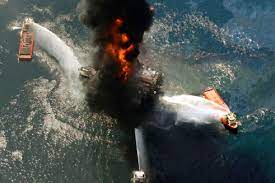
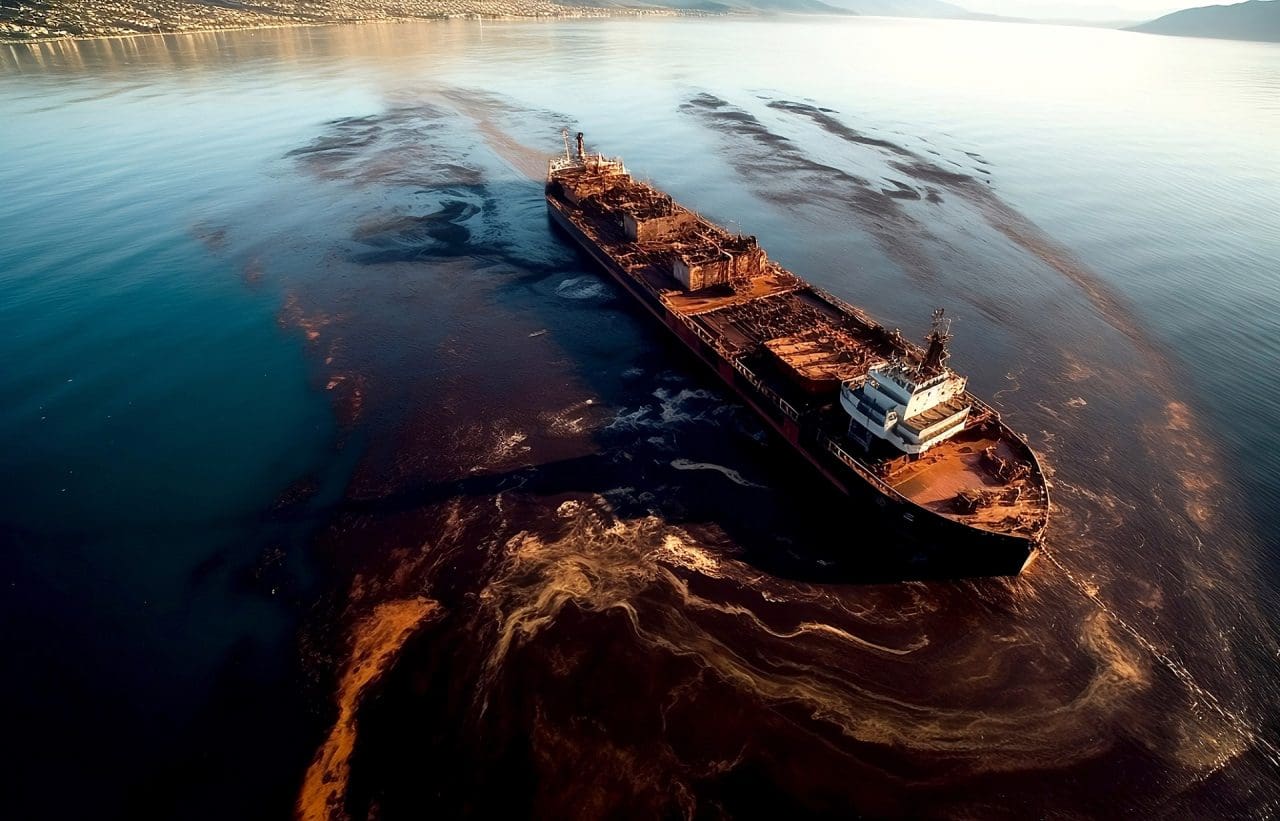
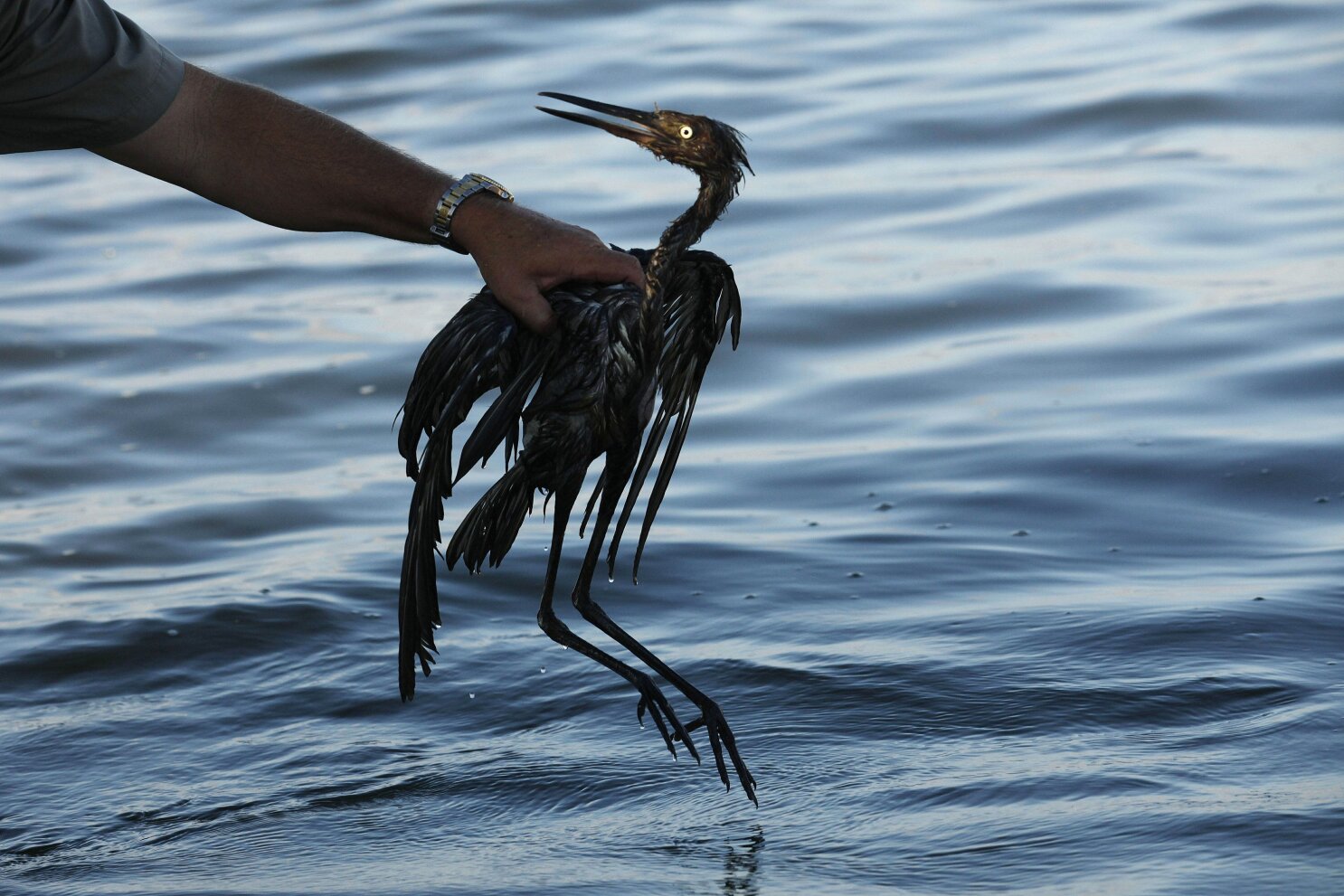
The Deepwater Horizon oil spill occurred in April 2010 and is the largest marine oil spill in U.S. history. This catastrophic event resulted from an explosion on the Deepwater Horizon drilling rig. This leads to releasing approximately 134 million gallons of oil into the Gulf of Mexico over 87 days. The spill had devastating environmental impacts and raised significant concerns about offshore drilling practices and oil spill response capabilities.
Deepwater Horizon Spill
On April 20, 2010, the Deepwater Horizon drilling rig was operated by Transocean and owned by BP. Who experienced a blowout that resulted in a massive explosion and fire. The incident claimed the lives of 11 workers and caused the rig to sink. This left the Macondo wellhead leaking oil into the Gulf of Mexico. By the time the well was capped on July 15, 2010, an estimated 3.19 million barrels of oil had been released into the ocean. And seriously affect marine life, coastal ecosystems, and local economies.
Measures Since the Spill
The U.S. government implemented stricter regulations on offshore drilling. There is an organization that would oversee safety and environmental regulations. We call it the Bureau of Safety and Environmental Enforcement. Then new standards for blowout preventers, which are safety devices to seal wells in case of a blowout, have been established. These devices are more reliable and undergo regular testing and maintenance.

Oil companies now adopt more rigorous safety protocols, including comprehensive risk assessments and emergency response plans before drilling operations commence. Companies are more accountable for their operations, with higher penalties for non-compliance and a requirement for them to demonstrate financial capability to cover potential spill costs. There has been a significant investment in research and development for spill response technologies, including better containment and recovery systems.
Solutions for Rapid Response to Oil Spills
When oil spills do occur, rapid response is crucial to minimize environmental damage.
Containment Booms
These floating barriers contain the oil spread on the water’s surface, preventing it from reaching shorelines and sensitive habitats.
Skimmers
Specialized vessels equipped with skimming technology using to remove oil from the water’s surface. These can be deployed quickly to recover as much oil as possible.
Dispersants
Chemical dispersants will break down the oil into smaller droplets, which can then be more easily degraded by natural processes. However, the use of dispersants is controversial and must be carefully managed.
Controlled Burning
In some cases, controlled burns can be conducted to eliminate oil on the water’s surface, although this method is only suitable under specific conditions.
Bioremediation
This involves using microorganisms to break down and digest oil, which can help restore affected ecosystems over time.
Emergency Response Teams
Trained teams are deployed immediately following a spill to assess the situation, implement containment measures, and coordinate cleanup efforts.
The Deepwater Horizon oil spill highlighted significant vulnerabilities in offshore drilling practices and spill response capabilities. Since then, regulatory reforms have improved safety measures. And advanced response technologies might prevent future spills and mitigate their impacts. While the risk of oil spills can never be entirely eliminated, these measures aim to enhance safety and environmental protection in offshore oil operations.
Read more on Lifetips.blog
Gallery